
Why Sun-Exposed Skin Checks Can Be Risky
Any skin checks are better than none, but at Mobile Screening, we have seen first-hand the difference a full body skin check can make.
Many workplaces choose to focus on sun-exposed skin checks as they are quick, affordable and a good first step in supporting worker health and wellbeing.
While Mobile Screening offers these checks as we understand that cost, available time and privacy preferences all influence an organisation’s preference, a recent experience at a workplace illustrates why we recommend full-body skin checks.
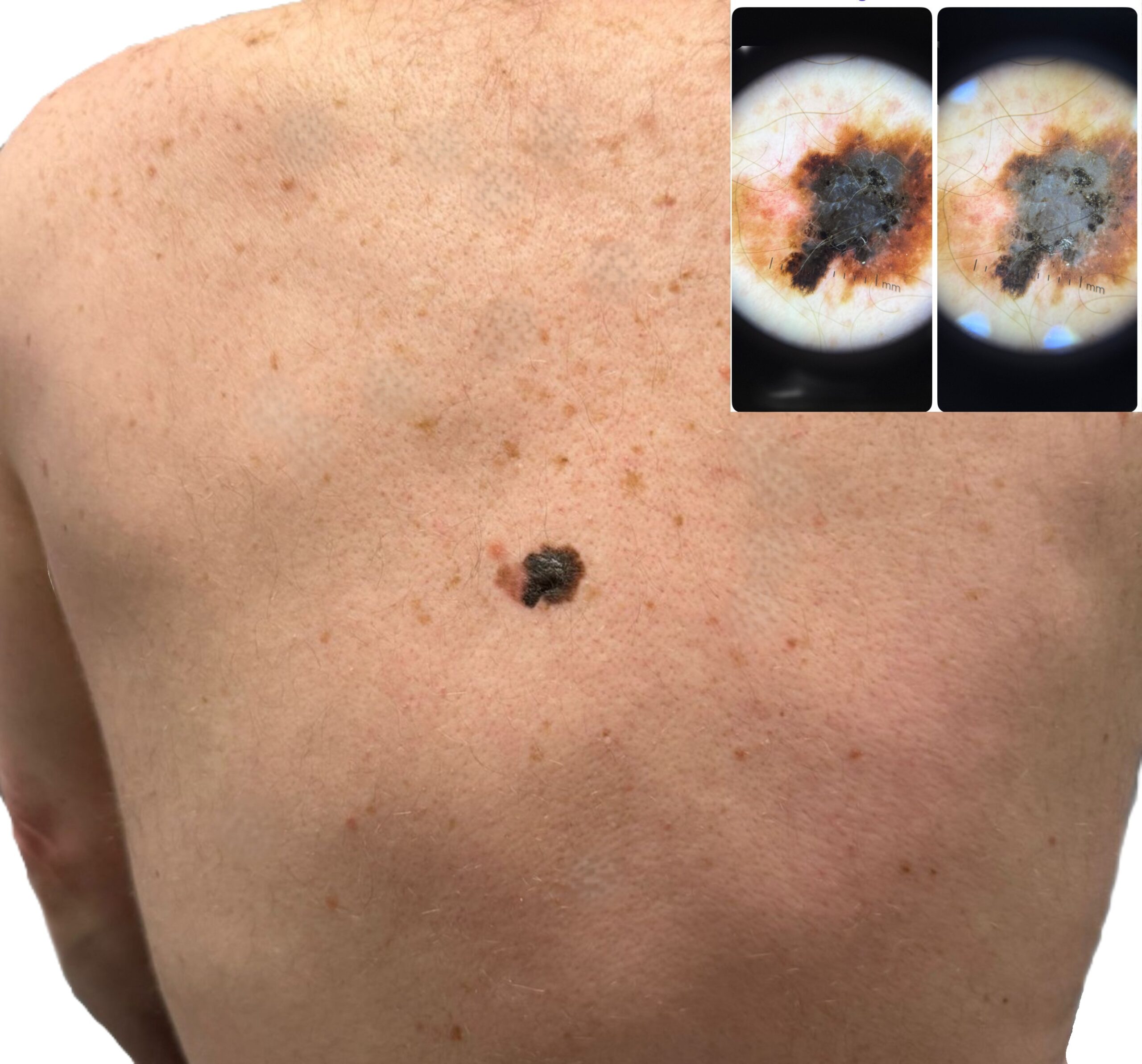
The organisation had arranged sun-exposed skin checks, and during one of these appointments, our melanographer had time and suggested a quick check of the participant’s back, which they agreed to. This led to the discovery of a large melanoma that would not have been identified through a standard sun-exposed check alone.
This experience highlights the real risk: melanomas can appear anywhere, including areas that rarely or never see the sun.
The Limitations of Sun-Exposed Skin Checks
The assumption that dangerous skin cancers only develop on sun-damaged areas is common, but incorrect. While UV exposure is a significant risk factor, melanomas are frequently found:
- On the back, torso, thighs and shoulders
- In areas that are difficult for workers to self-check
- On skin that looks normal or undamaged
- In people with no history of sunburn or heavy sun exposure
Limiting screening to the arms, face, neck and lower legs means these hidden areas remain unassessed and potentially life-threatening cancers can be missed.
For workplaces exploring what type of program is right for them, more detail about our services can be found on our Workplace Skin Checks page.
Why some businesses choose limited screening
There are valid reasons why organisations opt for sun-exposed checks:
- Time efficiency — shorter appointments keep operations moving
- Cost considerations — lower price per participant
- Staff comfort levels — some workers prefer limited exposure
For these reasons, we continue to offer sun-exposed checks, and they remain a meaningful part of many workplace health testing programs.
But it’s important to recognise what this option cannot do: provide full-body screening or assess areas where melanomas are commonly missed.
The case for comprehensive skin checks
A comprehensive skin check greatly increases the chance of detecting melanoma early, particularly in concealed or hard-to-see locations. Detecting melanoma at an early stage leads to more effective treatment, less invasive procedures and better long-term outcomes for workers.
When preparing proposals, we always encourage clients to compare the benefits of both sun-exposed and comprehensive screening. Many organisations choose to upgrade once they understand the risks and the improved detection opportunities.
How our melanographers offer premium care
Even within a limited appointment, our melanographers look for opportunities to provide the highest standard of care, when time permits. While a sun-exposed check has defined boundaries, our clinicians will, where possible, ask whether participants have any specific lesions, moles or concerns outside the standard areas. If a worker mentions something on their back or torso, and the schedule allows, our melanographers will make time to assess it. Sometimes that single extra moment is what leads to a life-saving discovery.
Sun-exposed skin checks are good. Comprehensive skin checks are better
At Mobile Screening, we support whichever option best suits your workplace while ensuring you’re informed about the risks, limitations and benefits of each approach. If you’d like help choosing the right program, contact us via our Contact page.